The race to scrub legacy and insecure equipment from telecom networks has reached a critical juncture. Following substantial funding injections designed to bridge early capital shortfalls, US regulators have drawn a hard line on compliance, enforcing strict reporting and tight final deadlines.
As highlighted in the Federal Communications Commission’s official Eighth Report to Congress, while nearly half of all program projects have successfully cleared untrusted equipment from their footprints, moving from policy to execution has exposed severe operational bottlenecks. For operators, the physical challenge of tearing out legacy infrastructure is colliding with a complex technical reality: how to maintain uninterrupted subscriber services while bridging multiple network generations.
The Reality of the Deadlines
Regulators are increasingly rejecting generic extension requests and enforcing mandatory status updates. Ground-level realities, however, continue to force conditional allowances for operators battling factors outside their control:
- Supply chain constraints delaying critical network component deliveries.
- Severe labor shortages impacting specialized engineering staff and tower crews.
- Permitting bottlenecks and overlapping state/federal broadband initiatives.
The Hidden Challenge: Preserving Legacy Continuity
Even when the final physical hardware is swapped out, backend signaling friction persists. Operators cannot simply flip a switch overnight.
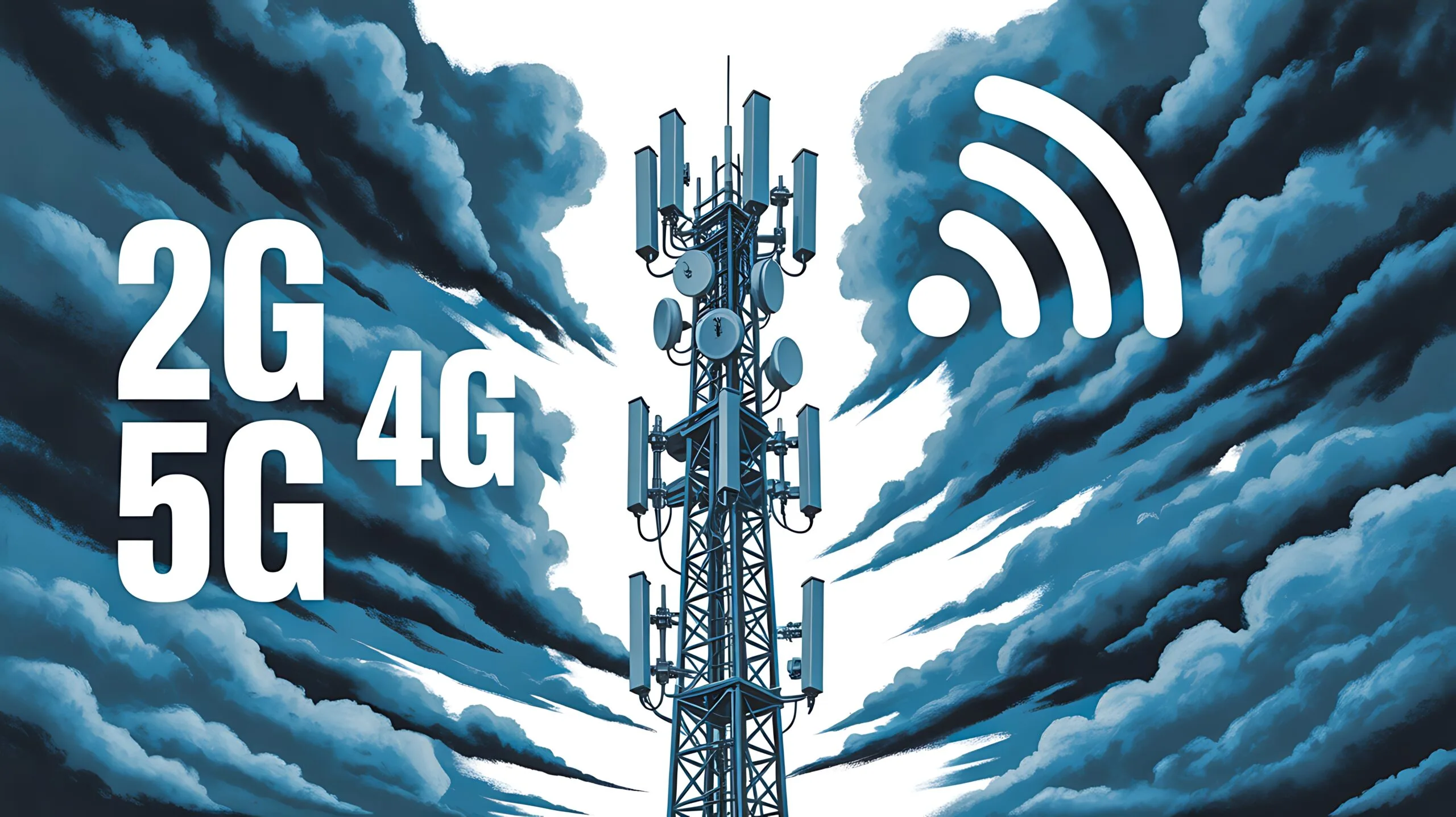
A forced hardware replacement typically involves migrating a complex mix of legacy traffic (2G, 3G, 4G) onto brand-new infrastructure or managing an extended hybrid state where older routing protocols must interwork with next-generation cores. Tearing out legacy vendor equipment often breaks proprietary interworking mechanisms that previously kept roaming, billing, and voice services functional.
Without an agile signaling layer, operators risk service degradation, roaming dropouts, and critical security vulnerabilities.
Fortifying Network Security During Transition
During a high-stakes network overhaul, the attack surface expands significantly. Mixing legacy protocols with next-generation architectures creates security blind spots that malicious actors can exploit.
To safeguard the transition, operators must integrate robust security directly into the signaling layer:
- Threat Mitigation: Automated detection and blocking of signaling-based attacks (such as spoofing, eavesdropping, and DoS attacks) across SS7, Diameter, and HTTP/2 interfaces.
- Topology Hiding: Concealing internal network node details from external roaming partners to prevent unauthorized reconnaissance.
- Granular Firewalls: Enforcing strict access control and message validation at every protocol boundary to prevent malicious traffic from jumping between legacy and 5G domains.
Strategic Goals to Accelerate the Journey to 5G
To overcome migration bottlenecks and unlock the full potential of 5G, operators are decoupling vital signaling logic from underlying proprietary hardware. By adopting a software-defined, multi-protocol engine, networks can achieve three core strategic goals:
- Achieve Any-to-Any Interworking: Seamlessly translate and mediate between legacy standards (SS7, Diameter) and modern 5G Service-Based Architectures (HTTP/2) without custom coding or expensive hardware upgrades.
- Eliminate Vendor Lock-In: Break free from proprietary constraints, allowing engineering teams to mix and match best-of-breed network functions.
- Future-Proof Network Architecture: Consolidate multi-generational signaling within a unified framework, providing the critical breathing room needed today while securing a cost-efficient, seamless path toward 5G Standalone and beyond.